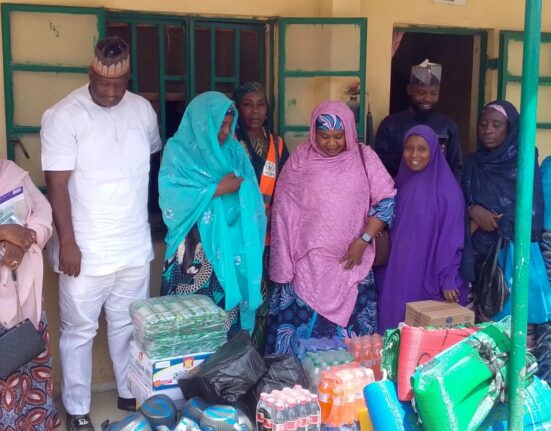


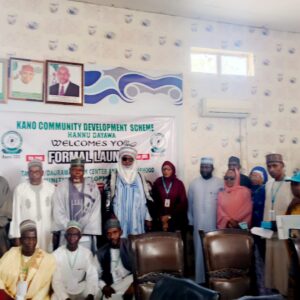

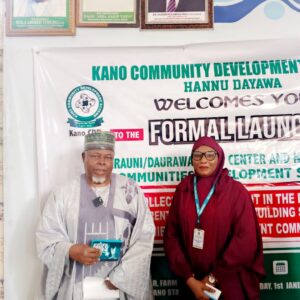
The event brought together community leaders, residents, youth groups and development stakeholders to deliberate on critical issues affecting grassroots communities. Key focus areas discussed included community and school safety, youth skills development and livelihoods, drug rehabilitation and awareness, as well as support mechanisms against sexual and gender-based violence (SGBV).
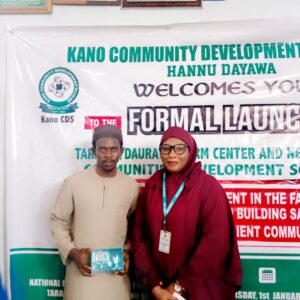
Speaking at the event, the Chief Executive Officer of LESPADA, Ambassador Maryam Hassan, highlighted the devastating effects of drug abuse on individuals, families and society at large. She stressed that drug abuse continues to fuel insecurity, school dropout, family breakdown and economic hardship, especially among young people.
Ambassador Hassan called for the strengthening and expansion of drug rehabilitation centres to address the growing challenge, noting that prevention, treatment and reintegration must go hand in hand. She emphasized that combating drug abuse requires collective responsibility, urging parents, community leaders, schools, landlords and security agencies to work together.
Other speakers at the programme addressed rising security concerns within neighborhoods, calling on community members to unite against insecurity, drug abuse and recurring landlord-tenant issues. They stressed the importance of vigilance, cooperation and dialogue as tools for sustaining peace and harmony in communities.
The event also promoted collaboration and active community participation as key drivers of positive social change. Participants were encouraged to engage in community development activities, support youth empowerment initiatives and contribute to creating a safer environment for all.
As part of the programme, LESPADA distributed copies of “The Truth About Drugs” booklets to participants to further raise awareness and educate the public on the dangers of drug abuse.
Organizers described the programme as a timely intervention aimed at strengthening community resilience, fostering unity and promoting collective action for sustainable development in Kano communities.