
By Suleiman Ramat
The recent remarks by the Kano State Commissioner for Information and Internal Affairs, Ibrahim Abdullahi Waiya, regarding the perceived decline of Abubakar Rimi Television (ARTV) have generated considerable public interest. While concerns about content quality and the need for modernization deserve attention, it is important to place the station’s current challenges within a broader institutional and historical context.
There is no doubt that the media landscape has undergone significant transformation over the past decade. The rapid shift toward digital broadcasting, online streaming platforms, and audience-driven content has placed enormous pressure on traditional television stations across Nigeria, particularly state-owned broadcasters operating under financial and infrastructural constraints.
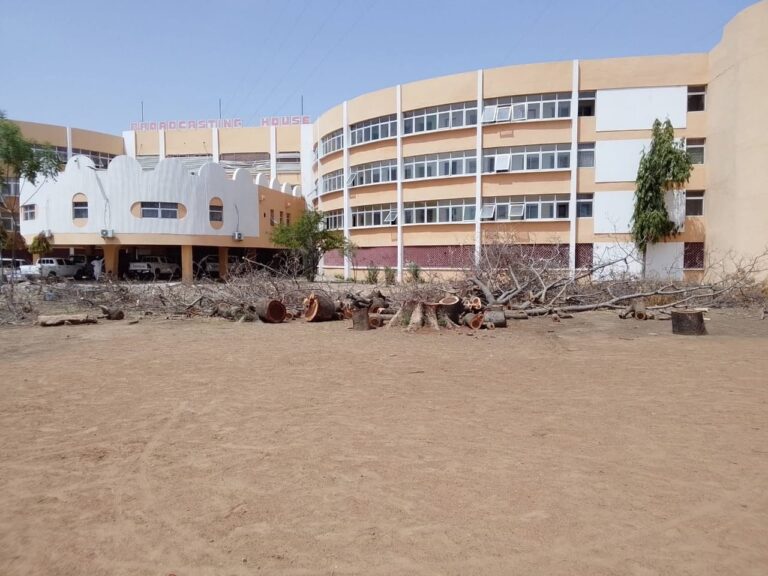
To attribute ARTV’s challenges solely to “stale content” and “poor-quality news production” risks oversimplifying a complex situation. Like many public media institutions, ARTV has faced years of limited investment in modern broadcasting equipment, staff development, digital infrastructure, and content innovation. These systemic issues cannot be divorced from the station’s current performance.
Furthermore, despite its challenges, ARTV has continued to serve as an important platform for public information dissemination, cultural preservation, and government communication in Kano State. The station has maintained a presence in communities where access to alternative media remains limited, providing a public service that should not be overlooked.
The commissioner’s commitment to pursuing government intervention and digital transformation is a welcome development. However, meaningful reform should be accompanied by adequate funding, professional capacity building, editorial independence, and the adoption of modern content strategies capable of attracting contemporary audiences.
Rather than viewing the current situation as a failure of the station alone, it should be seen as an opportunity for comprehensive media sector revitalization. Constructive criticism must be matched with practical support and sustained investment if ARTV is to regain its competitive edge and effectively meet the expectations of today’s viewers.
The future of ARTV depends not only on identifying its shortcomings but also on demonstrating the political will and institutional commitment required to address them. A successful transformation will ultimately benefit not just the station, but the people of Kano State who rely on credible and accessible public broadcasting.
Suleiman Ramat
Arewa Media foundation for Development, Kaduna