
By Abbas Ibrahim
As the Continuous Voter Registration (CVR) exercise approaches its conclusion on July 10, attention is increasingly shifting from registration to an equally important stage of the electoral process, the collection of Permanent Voter Cards (PVCs) and active participation in elections.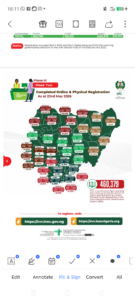
The CVR exercise, conducted periodically by the Independent National Electoral Commission (INEC), provides an opportunity for Nigerians who have attained the age of 18 to register as voters. It also accommodates those seeking transfers of voting locations, replacement of lost or defaced voter cards, and correction of voter details.
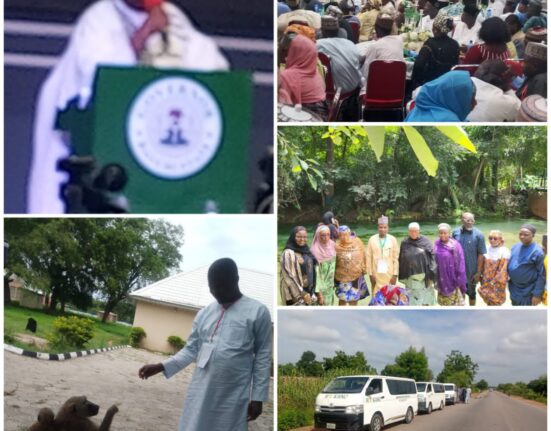
In Kano State, the CVR campaign received a major boost following the inauguration of the state taskforce on voter registration and awareness by the Secretary to the State Government, Alhaji Umar Faruk Ibrahim. Chaired by the Commissioner for Information and Internal Affairs, Comrade Ibrahim Abdullahi Waiya, the taskforce immediately embarked on an aggressive sensitization and mobilization campaign across the state.
During an early visit to the Kano office of INEC, the Resident Electoral Commissioner, Ambassador Abdu A. zango, informed the team that more than 300,000 PVCs remained uncollected across the state. The figure is significant, especially when compared to the total votes cast in some states during the 2023 general elections.
Recognizing the challenge, the Waiya led taskforce intensified public enlightenment efforts aimed at encouraging eligible citizens not only to register but also to complete the electoral process by collecting their voter cards and participating in elections.
One of the high points of the campaign was the establishment of a Mega Registration Centre at Kofar Mata Indoor Sports Hall, which operated continuously for six days and successfully registered over 10,000 prospective voters. The exercise demonstrated both public enthusiasm and the commitment of INEC officials, who worked tirelessly under the supervision of the Resident Electoral Commissioner and his management team to ensure smooth operations.
Recent INEC data indicate that Kano is currently leading the nation in physical voter registration figures, a development that reflects the effectiveness of ongoing mobilization efforts. However, registration alone is not enough.
With the close of registration scheduled for July 10, the next phase will include the display of the voters’ register for claims and objections, while PVC collection continues at INEC offices in all 44 local government areas of the state.
Obviously, the taskforce must sustain its momentum through continuous awareness campaigns focused on PVC collection and voter education. The ultimate objective is not merely to increase registration statistics but to ensure meaningful participation in the democratic process.
The right to vote remains one of the most powerful tools available to citizens in shaping governance and determining the future of their communities. Sovereignty, as often stated, resides in the people and is exercised through the ballot box.
Citizens who fail to collect their PVCs and vote effectively surrender their opportunity to influence leadership and public policy. As Kano records impressive registration numbers, the challenge now is to convert those registrations into collected PVCs and, ultimately, votes for credible leaders.
Registration is only the beginning. Collecting a PVC and voting are the final steps that give citizens a voice in the governance of their state and nation.